













Understanding Cold Laser Therapy: A Modern Approach to Pain Relief and Healing
This article explores how cold laser therapy works, what conditions it can treat, and why it’s gaining popularity as a safe and effective alternative to traditional pain management.


Cold Laser Therapy, also known as Low-Level Laser Therapy (LLLT) or photobiomodulation therapy, is an innovative and non-invasive treatment that uses low-intensity laser light to stimulate healing in tissues. This cutting-edge technology is widely used in physiotherapy, chiropractic care, sports medicine, and even veterinary practices, thanks to its ability to accelerate recovery, reduce pain, and decrease inflammation.
This article explores how cold laser therapy works, what conditions it can treat, and why its gaining popularity as a safe and effective alternative to traditional pain management.
What Is Cold Laser Therapy?
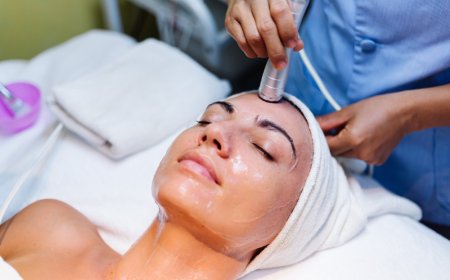
Cold Laser Therapy involves using a handheld device that emits specific wavelengths of light directly onto the skin over the targeted area. Unlike surgical lasers, cold lasers do not produce heat, which is why they are referred to as cold. Instead of cutting or burning tissue, the low-level laser energy penetrates the skin and stimulates cellular function.
This process triggers a chain of biological events at the cellular level, promoting:
-
Increased ATP production (the energy currency of cells)
-
Enhanced blood circulation
-
Accelerated tissue repair and cell regeneration
-
Reduction in inflammation and pain
How Does It Work?
When the cold laser light penetrates the skin, it reaches the damaged tissues below. The light is absorbed by the mitochondria in the cells, which are responsible for generating energy. This stimulates the mitochondria to produce more ATP, helping cells function more efficiently and speeding up the healing process.
The therapy is typically administered by a licensed medical professional or therapist and takes only a few minutes per session. The treatment is painlesspatients usually feel nothing at all, or just a slight tingling sensation.
Conditions Treated with Cold Laser Therapy
Cold Laser Therapy is a versatile tool used for a variety of medical conditions, especially those involving pain, inflammation, or tissue damage. Commonly treated conditions include:
1. Musculoskeletal Pain
-
Neck, back, and shoulder pain
-
Arthritis (rheumatoid and osteoarthritis)
-
Tendonitis
-
Carpal tunnel syndrome
2. Sports Injuries
-
Sprains and strains
-
Tennis elbow
-
Runners knee
-
Plantar fasciitis
3. Wound Healing
-
Diabetic ulcers
-
Post-surgical wounds
-
Pressure sores
4. Nerve Regeneration
-
Peripheral neuropathy
-
Nerve pain or damage
5. Joint Disorders
-
Temporomandibular joint (TMJ) dysfunction
-
Frozen shoulder
-
Bursitis
Cold laser therapy is often used in conjunction with other treatments such as physical therapy, chiropractic care, or acupuncture to enhance results and speed up recovery.
Benefits of Cold Laser Therapy
Cold laser therapy offers several advantages, making it an attractive option for those seeking non-pharmaceutical pain relief:
? Non-Invasive
There are no incisions, injections, or surgeries involved.
? Drug-Free Pain Relief
It reduces the need for pain medications, especially opioids, which can have serious side effects or lead to dependency.
? No Downtime
Patients can return to normal activities immediately after treatment.
? Fast and Painless
Sessions usually take less than 15 minutes and are completely pain-free.
? Safe for Most People
Cold laser therapy has minimal side effects and is considered very safe when administered by a trained practitioner.
Who Can Benefit?
Cold Laser Therapy is suitable for people of all ages, from athletes and office workers to the elderly. It's especially beneficial for those who:
-
Want to avoid surgery or steroid injections
-
Are recovering from an injury and want to speed up healing
-
Suffer from chronic pain conditions
-
Are looking for a complementary therapy to support traditional treatment
However, there are certain conditions where cold laser therapy may not be recommended, such as for patients with cancerous tumors in the treatment area, or those who are pregnant (particularly in the abdominal region). A qualified healthcare provider should always evaluate each patients situation individually.
What to Expect During a Session
A typical session is short and comfortable. Heres what happens:
-
The therapist will identify the treatment area and clean the skin if needed.
-
The laser device is held directly against the skin or slightly above it.
-
The laser light is applied for a predetermined amount of time, usually between 520 minutes.
-
Theres no pain, and no recovery time is required afterward.
Some patients may feel relief immediately after a session, while others may require several treatments over a few weeks to experience noticeable improvement.
Is Cold Laser Therapy Backed by Science?
Yes. Cold Laser Therapy is supported by numerous clinical studies and is approved by the U.S. Food and Drug Administration (FDA) for certain uses. Studies have shown its effectiveness in reducing pain and inflammation, promoting tissue repair, and even accelerating nerve regeneration.
However, results can vary depending on the condition being treated, the severity, and the individuals response to the therapy. Its not a miracle cure, but for many, it provides a significant reduction in symptoms and an improved quality of life.
Final Thoughts
Cold Laser Therapy is an exciting advancement in the world of non-invasive medicine. With its ability to promote healing at the cellular level, it offers new hope for those dealing with chronic pain, injuries, and inflammation. Whether you're an athlete looking to get back on the field, or someone suffering from long-term joint pain, cold laser therapy may be worth exploring.
If youre considering this therapy, consult with a licensed physiotherapist, chiropractor, or pain specialist to determine whether its a good fit for your specific needs.