
















Understanding Why Teeth Whitening Isn’t One-Size-Fits-All
Learn how factors like enamel thickness, age, and lifestyle affect teeth whitening outcomes and why a tailored approach delivers the best results.


A bright, white smile is often seen as a sign of confidence and beauty, making teeth whitening one of the most popular cosmetic dental treatments today. However, many are surprised when results fall short of expectations. Thats because teeth whitening isnt a one-size-fits-all solution. Several factorssuch as genetics, lifestyle habits, oral health, and dental historycan influence how well treatments work. Every smile is unique, and so should be the whitening approach. Whether you choose professional treatment or over-the-counter options, understanding the need for personalisation is essential for achieving safe, effective, and long-lasting results tailored to your individual needs.
The Science Behind Teeth Whitening
To understand why results can vary, it helps to know how teeth whitening actually works. Most whitening products use bleaching agentstypically hydrogen peroxide or carbamide peroxide. These agents work by breaking down stains into smaller particles, which makes the teeth appear brighter.
Tooth discolouration is usually caused by two types of stains:
- Extrinsic stains found on the surface, caused by foods, drinks like coffee, tea, and red wine, and smoking.
- Intrinsic stains deeper stains within the tooth, caused by ageing, trauma, certain medications, or excessive fluoride.
While surface stains can often be removed or lightened with whitening toothpaste or mild treatments, intrinsic stains usually require more powerful and targeted whitening methodsusually carried out by a professionaldentist in Wimbledonor elsewhere.
Why Results VaryKey Factors That Affect Whitening
1. Enamel Thickness and Natural Tooth Colour
Not everyones teeth are the same colour naturally. Some people are born with slightly more yellow or grey undertones in their teeth, which cannot be entirely changed through whitening. Another important factor is enamel thickness. The enamel is the outer layer of the tooth, and it plays a big role in how white your teeth appear.
Thicker enamel provides a more solid base for whitening products to work on. Thinner enamel, however, can allow the yellowish dentin layer beneath to show through, making teeth appear less white even after treatment.
2. Age and Tooth Condition
As we age, our enamel naturally becomes thinner due to wear and tear. This makes it more difficult for whitening treatments to be effective. Additionally, older teeth often have deeper, more stubborn stains that cant be removed with over-the-counter products.
Cracks, chips, and worn-out fillings can also affect whitening results. These imperfections can trap stains and make the teeth look unevenly coloured.
3. Lifestyle and Habits
Do you enjoy several cups of tea or coffee throughout the day? Or perhaps you're a fan of red wine or tobacco products? These habits contribute heavily to tooth discolouration.
People who frequently consume staining foods or beverages tend to have more persistent surface stains. In such cases, stronger whitening products or professional-grade treatments may be required. For long-term results, lifestyle changes may also be necessary.
4. Previous Dental Work
If youve had crowns, veneers, fillings or bonding on your front teeth, you should know that these materials do not respond to whitening treatments. That means your natural teeth may become whiter while your dental work stays the same shade, leading to an uneven smile.
This is one of the key reasons why its important to consult a professional before starting any whitening process, especially for patients who have had dental work in visible areas.
Over-the-Counter vs Professional Treatments
The market is full of DIY teeth whitening productsstrips, gels, toothpastes, and LED kits. While these can work for some people, they are often less effective, especially on deeper stains or sensitive teeth.
Over-the-counter products contain lower concentrations of active ingredients, which means results are usually slower and less dramatic. They also lack the custom-fit trays or personalised application methods that ensure even coverage.
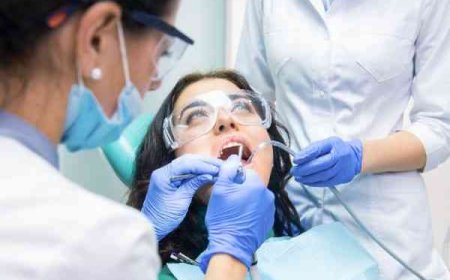
On the other hand, professionalteeth whitening Wimbledonoffers a safer and more effective alternative. A dentist can assess your oral health, create custom trays, and use stronger whitening agents under controlled conditions. This results in faster, more even, and longer-lasting results with reduced risk of sensitivity or damage.
Risks of a One-Size-Fits-All Approach
While it might be tempting to try out a widely advertised whitening kit online, its important to be aware of the potential risks.
- Tooth Sensitivity: Using whitening agents incorrectly or too frequently can erode enamel and make your teeth painfully sensitive.
- Gum Irritation: Ill-fitting trays or harsh chemicals can cause burns or irritation to the soft tissues of your mouth.
- Uneven Results: Without proper application, some teeth may whiten more than others, creating a patchy appearance.
These issues are especially common when people skip the essential step of consulting a dental professional before beginning treatment.
The Value of Personalised Treatment Plans
Professional dentists take the time to understand your unique needs. During a consultation, they will examine your teeth, gums, and previous dental work. Theyll identify what type of stains you have and whether your enamel is suitable for whitening.
Based on this, they can recommend a treatment plan tailored to your specific goals and conditions. Whether you need a gentle approach due to sensitivity, or a more intensive in-clinic session for stubborn stains, a customised plan ensures you get the bestand safestresults.
A dentistwill also provide guidance on maintaining your results and offer touch-up solutions when needed.
Realistic Expectations and Maintenance Tips
Whitening treatments can significantly brighten your smile, but its important to have realistic expectations. Teeth will become whiter, but they may not become Hollywood whiteespecially if you have naturally darker enamel or underlying dental issues.
Here are a few tips to maintain your results:
- Avoid dark-coloured foods and drinks after whitening.
- Rinse your mouth or brush your teeth after consuming staining substances.
- Use a straw when drinking beverages like cola, coffee, or wine.
- Maintain regular oral hygiene with brushing and flossing.
- Schedule top-up treatments as advised by your dentist.
Conclusion
A whiter smile is something many of us desire, but the path to achieving it is not the same for everyone. Teeth whitening success depends on several individual factorsfrom your enamel thickness to your lifestyle and previous dental treatments.
Choosing a personalised approach is the smartest way to get the most out of your investment, avoid risks, and enjoy lasting results. Instead of relying on one-size-fits-all kits, speak to a professional who understands your smile inside and out.
If you're looking to begin your whitening journey, consider visiting The Dental Lounges Wimbledon, where expert care meets modern treatment techniques. With the right guidance and a customised plan, your brighter, healthier smile is just around the corner.