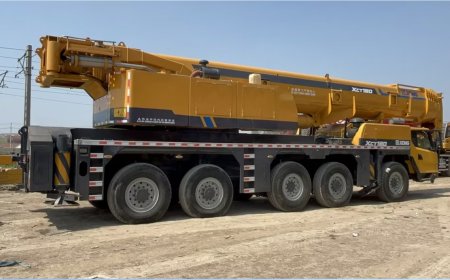

















Smart Logistics: IoT in Cargo Tracking and Transport

In todays fast-paced, globalized world, the logistics industry is under growing pressure to deliver goods faster, safer, and more efficiently than ever before. Customers now expect real-time updates, minimal delays, and full transparency throughout the shipping journey. To meet these demands, logistics companies are turning to advanced technologieschief among them, the Internet of Things (IoT).
IoT is transforming traditional cargo transport into smart logistics, where data-driven insights improve decision-making, optimize routes, reduce waste, and enhance overall performance. In this blog, well explore how IoT is reshaping cargo tracking and transport, the key benefits, real-world applications, and the future of smart logistics.
What Is IoT in Cargo Transport?
IoT refers to a network of physical devices embedded with sensors, software, and connectivity that allow them to collect and exchange data. In the context of cargo transport, IoT enables various componentssuch as shipping containers, pallets, trucks, and warehousesto "talk" to each other and to central systems in real time.
These connected devices monitor and transmit vital information such as:
- GPS location
- Temperature and humidity
- Shock and vibration
- Container seal status
- Fuel usage and driving patterns
This constant flow of data allows logistics providers to gain a complete, real-time overview of the supply chain and take immediate action if an issue arises.
Key Benefits of IoT in Cargo Tracking
1. Real-Time Visibility
One of the most significant advantages of IoT is real-time visibility. GPS-enabled trackers provide continuous updates on cargo location, allowing shippers and customers to track goods throughout the journey. This reduces uncertainty and improves planning at every stage of the supply chain.
2. Improved Asset Utilization
IoT can track not just cargo, but also trucks, containers, and equipment. This helps companies optimize their useidentifying underutilized assets, predicting maintenance needs, and avoiding delays due to equipment failure.
3. Enhanced Security
Smart locks and sensors can detect unauthorized access or tampering. If a container seal is broken, the system alerts the control center instantly. Motion and vibration sensors can also detect abnormal handling or theft, allowing companies to respond quickly and reduce losses.
4. Condition Monitoring
Perishable goods like food, pharmaceuticals, or chemicals often require controlled environments. IoT sensors can monitor temperature, humidity, and exposure in real timeensuring compliance with regulatory standards and preventing spoilage.
5. Predictive Analytics
By collecting and analyzing large volumes of data over time, IoT enables predictive maintenance and demand forecasting. Logistics providers can predict delivery delays, mechanical issues, or seasonal demand spikesand plan accordingly.
Real-World Applications
Cold Chain Logistics
IoT is especially valuable in cold chain logistics. Sensors placed inside refrigerated trucks or containers ensure that products like vaccines, meat, and dairy remain within the required temperature range. If the temperature exceeds the safe limit, alerts are triggered for immediate corrective action.
Fleet Management
Telematics devices installed in delivery vehicles provide data on driving behavior, fuel consumption, route efficiency, and engine performance. This allows logistics managers to reduce fuel costs, schedule maintenance proactively, and improve driver safety.
Port and Terminal Operations
IoT is also streamlining operations at ports and terminals. Connected cranes, forklifts, and containers can communicate their location and status, minimizing delays during loading and unloading. Smart scheduling systems reduce idle times and increase throughput.
Warehouse Automation
In warehouses, IoT supports automation through smart shelves, robotic pickers, and inventory sensors. These tools keep stock levels updated in real time and ensure accurate order fulfillment.
Challenges and Considerations
While IoT offers numerous benefits, there are challenges to consider:
- Data Security: The more devices connected, the more entry points there are for cyber threats. Strong encryption and cybersecurity protocols are essential.
- Integration: Integrating IoT with existing logistics management systems can be complex and costly.
- Data Overload: Handling the vast amount of data generated by IoT requires efficient storage, processing, and analysis solutions.
- Upfront Investment: The initial cost of IoT devices, software platforms, and training can be high for smaller logistics providers.
Despite these challenges, the long-term cost savings and efficiency gains make IoT a worthwhile investment for forward-thinking companies.
The Future of Smart Logistics
As IoT technology continues to evolve, its role in cargo transport will only grow stronger. Here are a few trends shaping the future:
- 5G Connectivity: Ultra-fast 5G networks will enable near-instant data exchange, even in remote areas, enhancing IoT performance.
- AI and Machine Learning: These technologies will work with IoT to generate deeper insights, automate decisions, and refine predictive models.
- Blockchain Integration: Combining IoT with blockchain can create tamper-proof records of every step in the supply chain, ensuring greater trust and transparency.
- Sustainable Transport: IoT can also help reduce environmental impact by optimizing fuel usage, reducing empty miles, and improving route efficiency.
Conclusion
IoT is ushering in a new era of smart logisticswhere cargo is no longer just shipped but actively monitored, managed, and optimized every step of the way. From real-time tracking to predictive maintenance and automated alerts, IoT solutions empower logistics providers to deliver better service, reduce risks, and stay ahead in an increasingly competitive market.
For companies looking to future-proof their cargo transport operations, embracing IoT is not just an optionits a strategic imperative.