
















Is Your AC Making Weird Noises? Here's What It Could Mean
Is your AC making odd sounds? Discover what each noise means and when to call an expert for air conditioning repair or service solutions.


Air conditioning and heating systems are designed to function effortlessly and discreetly. But when your unit begins to make strange or unexpected noises, its more than just annoyingit could be a clear signal that something is wrong internally. From loose parts to refrigerant leaks, these noises can often be your first indicator of a deeper issue that needs prompt attention. In this guide, we break down the common sounds your AC might make and what each could mean, helping you identify whether its time for professional help or simple maintenance.
Understanding the Role of Sound in AC Diagnosis
Every sound your AC makes tells a story. While some noises are part of normal operationsuch as a soft hum or gentle clicking during startupothers may signal a component failure or urgent need for inspection. Spotting these signs early on can save you money and prevent larger issues from developing.
Common Air Conditioning Noises and Their Meanings
Lets explore the types of sounds you might hear from your air conditioning unit and what they could be indicating:
Banging or Clanking Noises
- A banging sound is usually a sign that something has come loose or broken inside the compressor, such as connecting rods or crankshaft components, and may mean the compressor itself is damaged and might need replacement
- Clanking could also result from an out-of-balance blower or indoor fan, causing it to hit other parts and wear down the system faster
These noises are not to be ignored, and in most cases, youll require immediateair conditioning repair Londonto prevent permanent damage.
Buzzing Sounds
- Popular and often indicates electrical difficulties, such as faulty wiring or a failed capacitor within the outdoor unit.
- It might also be caused by debris near the condenser, dirty filters, or loose parts vibrating against one another during operation
If left unresolved, buzzing sounds could escalate to a total system failure and pose potential safety risks due to electrical faults.
Clicking Sounds
- A soft click is generally expected when your AC starts or stops; however, continuous clicking may indicate a malfunctioning thermostat or a defective relay
- Ignoring this may affect the ability of your system to cycle correctly and reduce energy efficiency
For persistent clicking, it's advisable to book a professional air conditioning service visit for a thorough inspection.
Screeching or Squealing Noises
- High-pitched squeals are often a result of worn-out fan belts or faulty motor bearings in older systems
- Modern units may squeal if the blower motor is malfunctioning or under strain
This is a critical issue that can escalate rapidly. The friction from worn parts can damage other components, increasing repair costs significantly.
Hissing Sounds
- Hissing usually indicates a refrigerant leak, which is harmful and requires immediate care.
- It may also come from high pressure inside the compressor or leaky ductwork causing loss of airflow
In either case, you should not attempt to fix this on your own, and a certified air conditioning repair specialist must be contacted without delay.
Rattling Noises
- This is one of the most common sounds and often results from loose bolts, screws, or parts within the system
- External debris, such as branches or sticks which become caught in the outside unit fan, can also create rumbling.
While initially harmless, rattling can lead to more serious issues if moving parts become dislodged or worn out completely.
Whistling Noises
- A whistling sound generally means theres a restriction in airflow, possibly from blocked vents, dirty filters, or duct leaks
- This lowers system efficiency, increasing energy consumption, and places strain on the internal components.
Its wise to address airflow issues promptly by scheduling a full air conditioning service appointment to check ducts and filters.
Why Ignoring Noises Could Cost You More
Putting off dealing with strange AC noises may feel like the easy option, especially if cooling performance hasnt dropped noticeably. However, this can be a costly mistake:
- Ignoring loose screws can cause constant vibration, eventually leading to complete motor failure.
- Overlooking refrigerant leaks reduces cooling and may cause serious damage to the compressor over time.
- Electrical noises often signal wiring issues, which could pose a serious fire hazard if left unchecked.
- Blocked filters or ducts disrupt airflow, lowering air quality and increasing your energy bills significantly.
A timely inspection saves money in the long run, improves system lifespan, and maintains cooling performance even during peak summer heat.
Not all AC issues require an engineer straight away. Some minor problems can be safely checked at home:
- Check and clean air filters regularly to maintain good airflow
- Reset the thermostat and see if the noise stops during operation
However, you should always call a qualified technician if:
- The unit makes banging, screeching, or loud hissing noises
- You suspect an electrical issue or refrigerant leak
- Components are visibly damaged or out of place
- The system frequently turns on and off without cooling properly
Professionals can diagnose deeper faults using specialised tools and ensure safe, long-lasting repairs that meet UK building and safety regulations.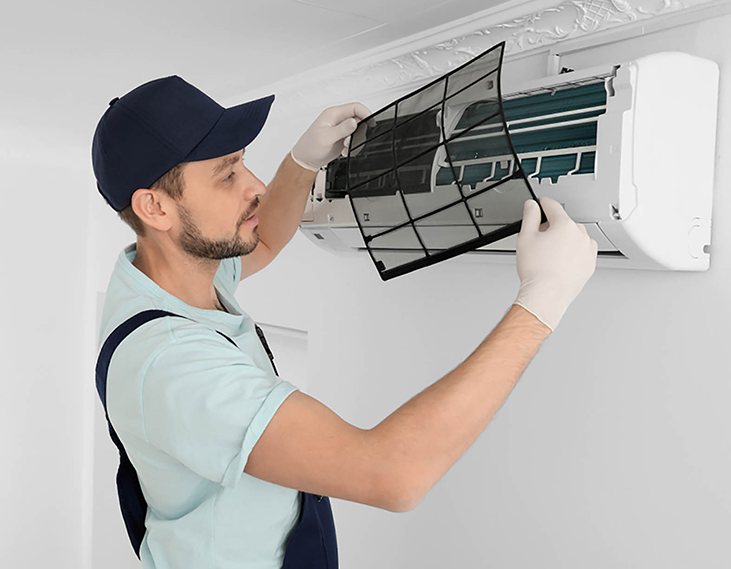
Preventive Measures to Avoid Noisy AC Systems
Keeping your system running quietly and efficiently requires simple but consistent care:
- Schedule regular maintenance at least once a year with a certified technician to check refrigerant levels, inspect moving parts, and identify early signs of wear
- Filters should be cleaned or replaced every one to three months, depending on their usage and environment.
- Ensure the outdoor unit remains free from dust, leaves, and insects, which can interfere with fans and motors
- Install a programmable thermostat for better efficiency;air conditioning service Londoncan help avoid short cycling and reduce system stress.
- Listen carefully to changes in sound during daily operation so you can act quickly on any unusual noise
Preventive servicing not only reduces unexpected breakdowns but also optimises energy efficiency and prolongs the lifespan of your equipment.
Conclusion
If your air conditioning system starts making unusual noises, its wise to get it checked by professionals to prevent costly repairs. For dependable air conditioning repair or expert air conditioning service, trust Hamilton Air Conditioning Ltd. Their expert engineers deliver timely, effective solutions that are tailored to your specific requirements. With a focus on quality, reliability, and customer satisfaction, they ensure your home or business stays cool and comfortable throughout the year, offering peace of mind with every service call.